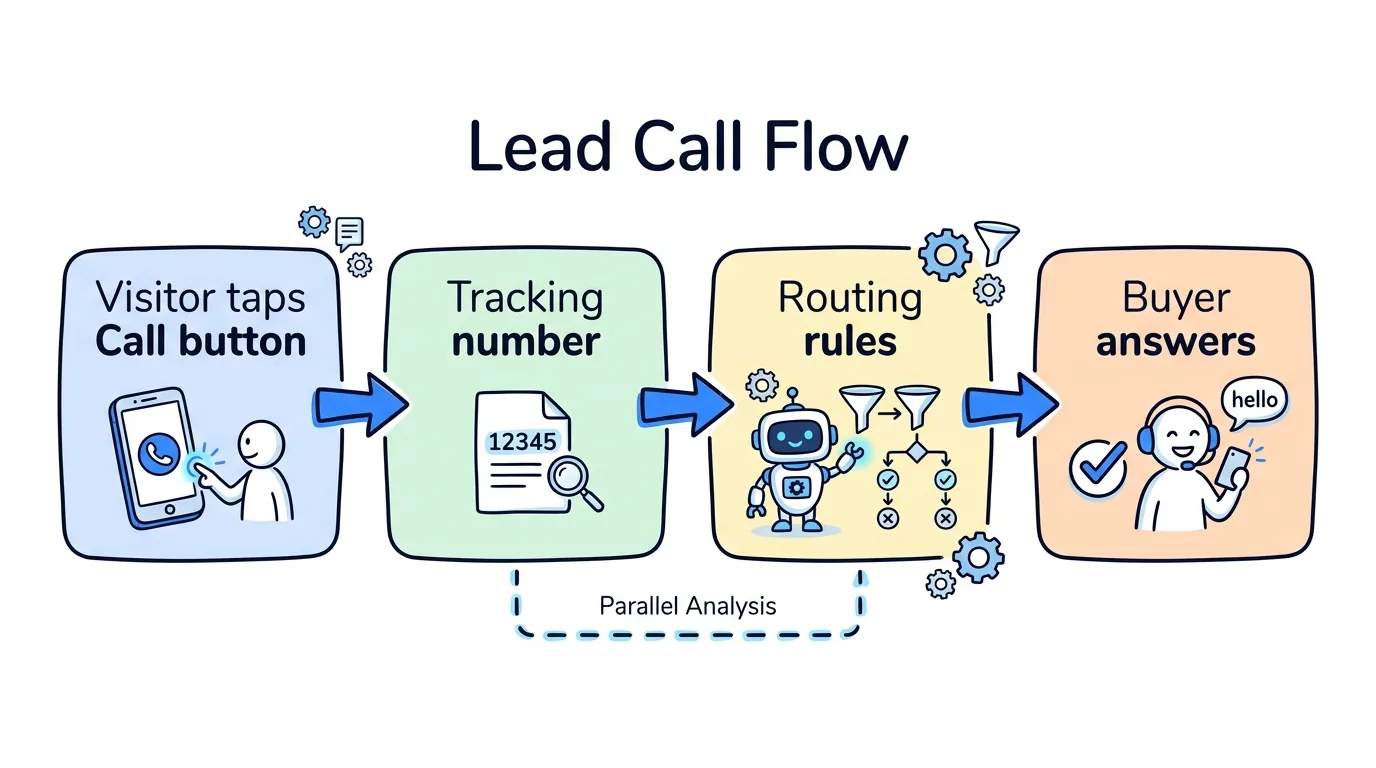
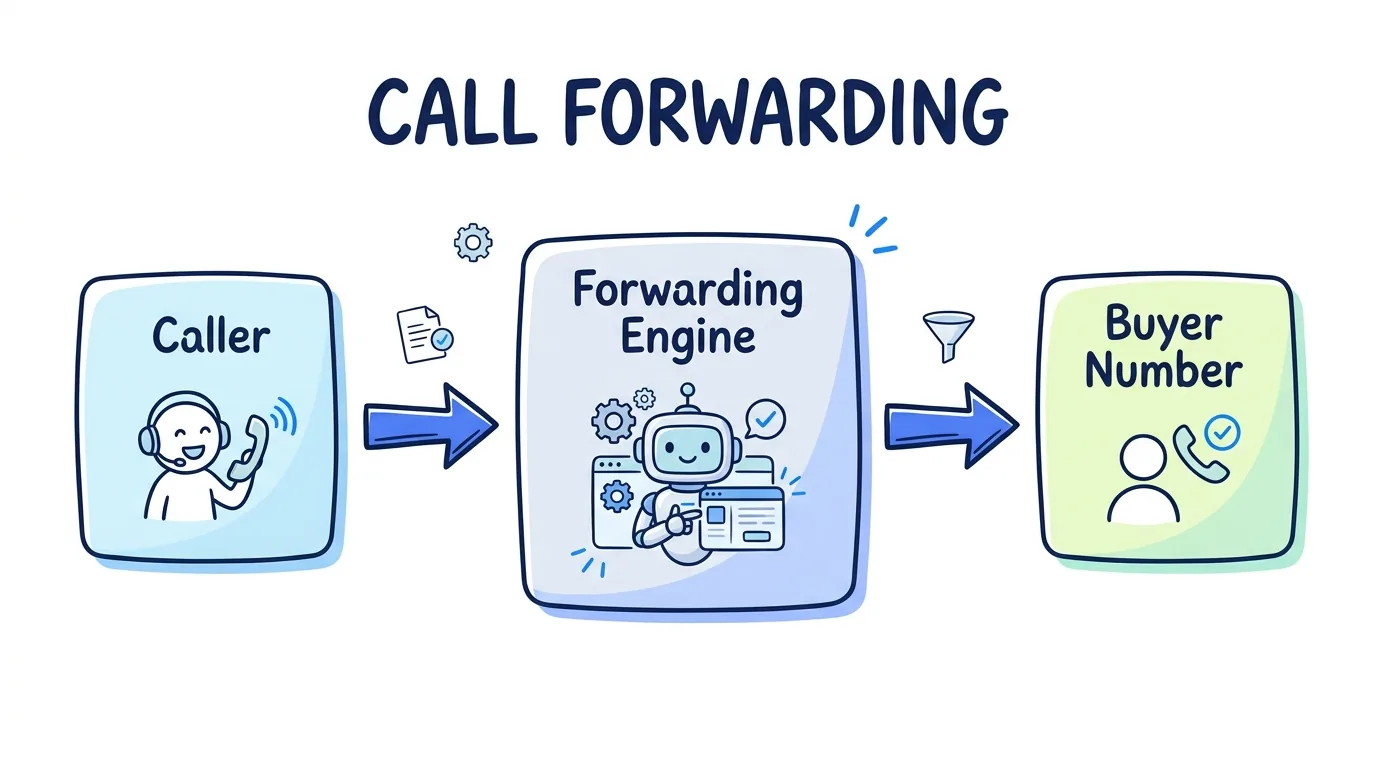
STIR/SHAKEN for Pay-Per-Call: Why Calls Get Flagged
STIR/SHAKEN is the FCC caller ID authentication framework behind Spam Likely labels. Here is why pay-per-call traffic gets flagged and how to fix it.

Rafael Hernandez
Founder & CEO
Ex-Microsoft SWE · $10M+ PPL ad spend
I hope you enjoy reading this blog post. If you want to try Lead Distro AI for free, click here.
Author: Rafael Hernandez | Founder & CEO of Lead Distro AI
STIR/SHAKEN is the FCC-mandated caller ID authentication framework that lets phone carriers cryptographically verify that a call really comes from the number displayed, and it is the main reason legitimate pay-per-call traffic ends up labeled "Spam Likely" or blocked outright. When your carrier signs a call with a strong attestation, the terminating carrier trusts the caller ID and lets it ring through clean. When it cannot, analytics engines downgrade the number, apply a spam label, or drop the call before it connects. For a pay-per-call agency, that difference is billable revenue.
The framework was directed by the TRACED Act of 2019 and, per the FCC's call authentication rules, major voice providers were required to implement STIR/SHAKEN in the IP portions of their networks by June 30, 2021. This guide explains what STIR/SHAKEN is, how the A, B, and C attestation levels work, why pay-per-call numbers get flagged even when every call is consented, and the exact remediation steps to restore your number reputation and keep calls connecting.
Key Takeaways
- STIR/SHAKEN is a caller ID authentication standard, not a spam filter itself. It signs each call with an attestation level that downstream carriers and analytics engines use to decide whether to trust, label, or block it.
- Attestation A, B, and C signal how confident your carrier is that you are authorized to use the calling number. Full (A) attestation is the goal; Gateway (C) attestation is the most likely to be flagged.
- Pay-per-call traffic gets flagged for patterns, not just attestation: high call volume, short durations, rotating numbers, and unregistered caller IDs all damage number reputation.
- Call labeling is done by third-party analytics engines like Hiya, TNS, and First Orion, which feed the "Spam Likely" and "Scam Likely" tags shown on the handset.
- Remediation is a repeatable checklist: earn Full attestation, register your numbers, monitor reputation, and file corrections with the analytics providers.
What Is STIR/SHAKEN?
STIR/SHAKEN stands for Secure Telephone Identity Revisited (STIR) and Signature-based Handling of Asserted information using toKENs (SHAKEN). Together they form the technical framework U.S. and Canadian carriers use to authenticate caller ID on calls carried over IP networks. The goal is to stop illegal caller ID spoofing, the tactic robocallers use to disguise their real number.
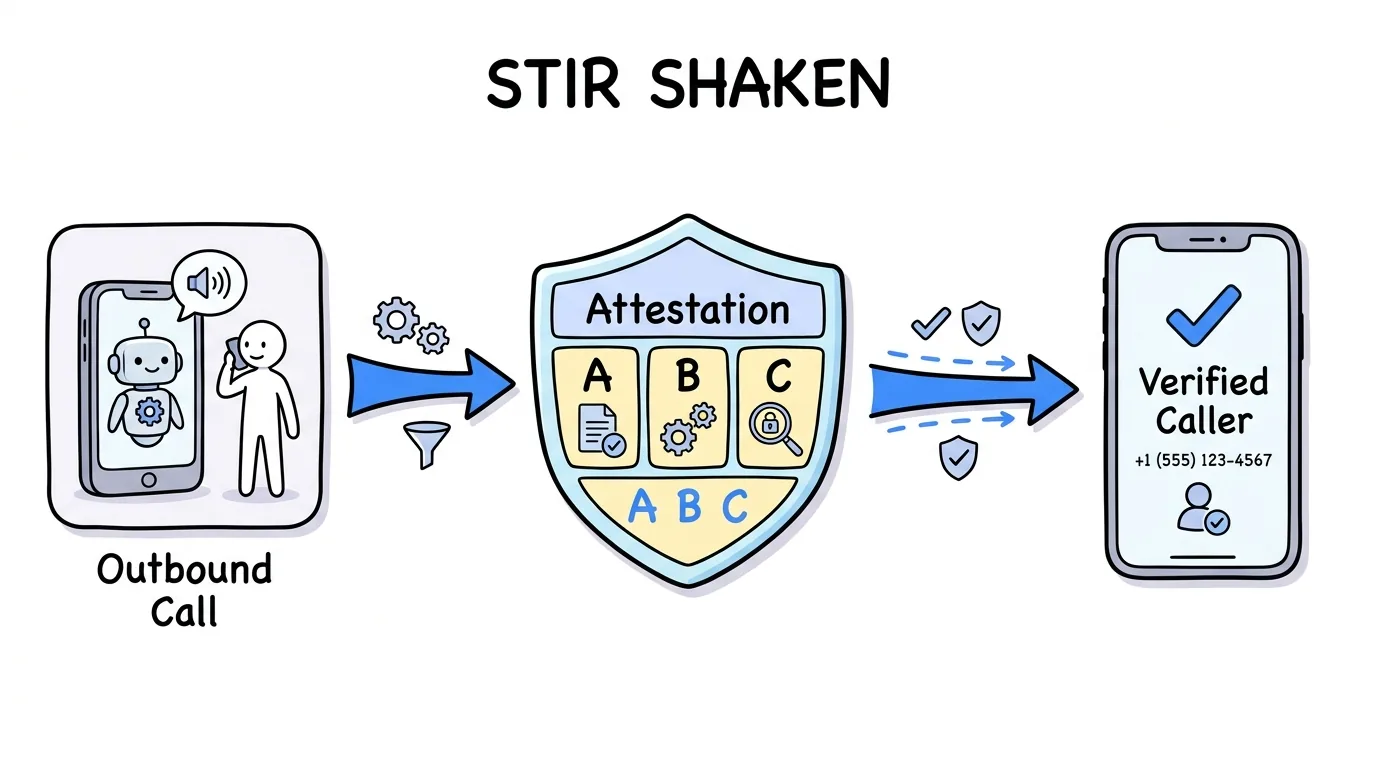
When a call originates, the originating provider adds a digital signature to the call's SIP header, asserting who is calling and how much the provider vouches for that claim. The terminating provider verifies that signature before the phone rings. This is call attestation in action: a cryptographic vote of confidence that travels with the call.
STIR/SHAKEN does not decide what is spam. It supplies a trust signal. Whether a call is labeled or blocked depends on how carriers and analytics engines interpret that signal alongside your calling patterns and number reputation.
Attestation Levels A, B, and C Explained
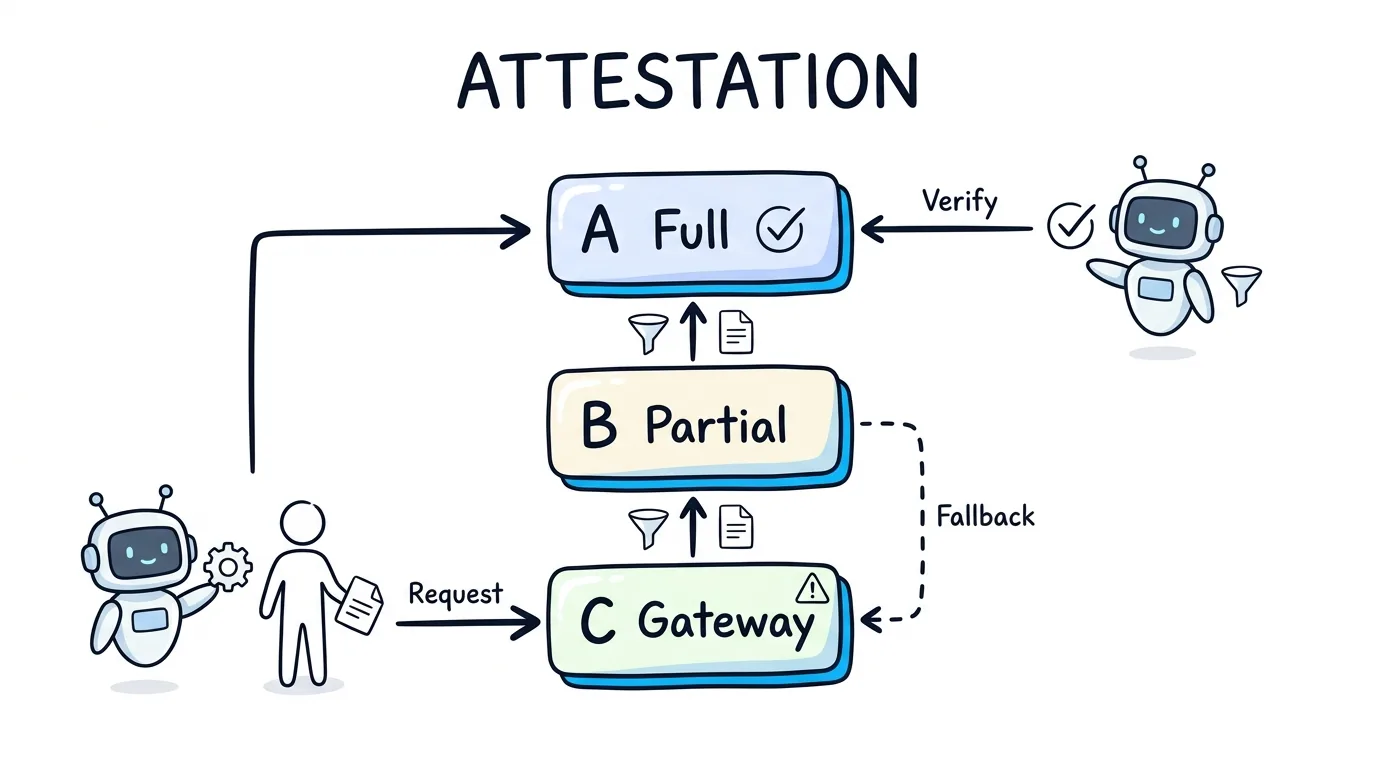
Every signed call carries one of three attestation levels, and the level is the single biggest factor in whether pay-per-call traffic connects clean. Per telecom implementers like TransNexus, the levels break down as follows:
| Attestation | Name | What it means | Flag risk |
|---|---|---|---|
| A | Full | The provider knows the customer and confirms their right to use the calling number | Lowest |
| B | Partial | The provider knows the customer but cannot confirm they own the number | Moderate |
| C | Gateway | The provider put the call on its network but cannot authenticate the source | Highest |
Full (A) attestation is what you want on every pay-per-call campaign. It tells terminating carriers the calling number is legitimately yours. Partial (B) and Gateway (C) attestation, common when calls pass through intermediate carriers or unverified numbers, are far more likely to trigger a "Spam Likely" label or an outright block.
Why Pay-Per-Call Traffic Gets Flagged or Blocked
Pay-per-call operations are uniquely exposed to STIR/SHAKEN labeling because their calling patterns look, statistically, like the robocall behavior the framework was built to stop. Even fully consented, TCPA-compliant traffic gets caught.
The most common triggers are:
- Low attestation: Calls delivered with B or C attestation instead of Full (A) attestation.
- High volume from one number: Dialing hundreds of calls from a single caller ID in a short window.
- Short average duration: Lots of sub-30-second calls, the fingerprint of an autodialer.
- Number rotation without registration: Cycling through new numbers to dodge labels, which analytics engines detect and penalize faster.
- Unregistered caller ID: Numbers with no branded caller ID or CNAM record and no reputation history.
Once an analytics engine tags a number, that spam reputation spreads across carriers quickly, and answer rates collapse. This is why call routing software and number hygiene matter as much as lead consent in a modern pay-per-call stack.
How Call Labeling Actually Works
The "Spam Likely" text on a handset is not applied by STIR/SHAKEN directly. It is applied by third-party call analytics engines that the major carriers license, primarily Hiya, TNS (Transaction Network Services), and First Orion. These engines ingest the attestation level, call volume, duration patterns, and consumer complaint data, then score each number.
STIR/SHAKEN feeds those models a critical input. A number consistently signed with Full attestation earns trust over time, while a number seen with Gateway attestation and high-volume dialing gets scored as risky. The attestation is the raw material; the analytics engine is the judge.
This is why two pay-per-call agencies running identical offers can see wildly different answer rates. The one delivering Full (A) attestation on registered, reputation-monitored numbers connects. The one relying on whatever attestation its upstream carrier happens to sign gets buried under spam labels. Understanding how call tracking works end to end is the first step to controlling that outcome.
How to Fix Flagged Numbers: A Remediation Checklist
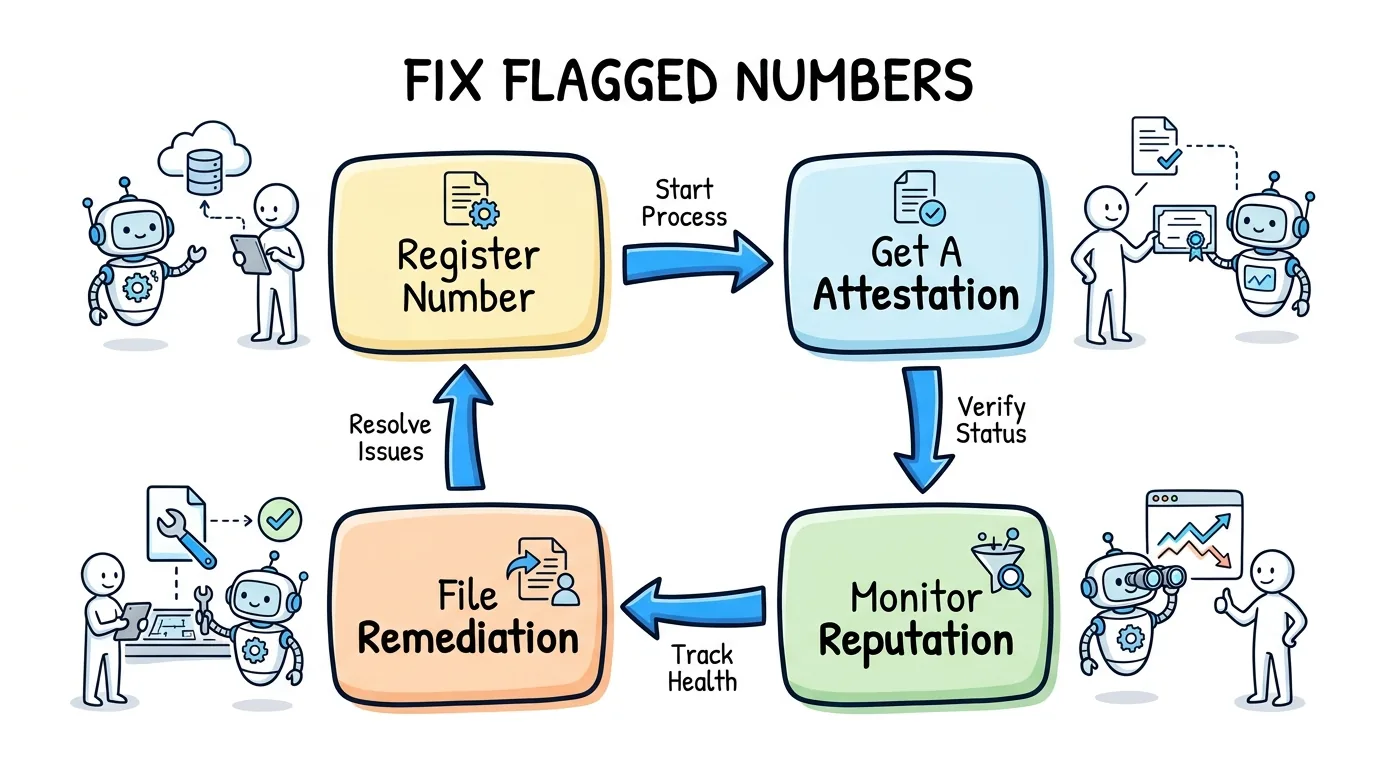
Fixing flagged pay-per-call numbers is a repeatable process, not a one-time reset. Work the following checklist for every campaign number:
- Earn Full (A) attestation. Confirm with your voice provider that your numbers are provisioned so they sign outbound calls with Full attestation, not Partial or Gateway.
- Register your numbers. Use the Free Caller Registry, the shared portal run by Hiya, TNS, and First Orion, to register your business numbers and calling intent with all three analytics engines at once.
- Add branded caller ID. Attach a verified CNAM or branded caller ID so consumers see your business name instead of an unknown number, which lifts answer rates and lowers complaint rates.
- Monitor number reputation. Check your numbers against spam databases regularly. Reputation decays, so treat monitoring as ongoing.
- File remediation requests. When a clean number is wrongly labeled, submit a correction through the Free Caller Registry or the individual analytics providers, and rotate the number out of rotation until it clears.
Pairing this with smart pay-per-call network routing, so no single number carries too much volume, keeps your reputation healthy at scale.
STIR/SHAKEN and TCPA: Two Different Compliance Layers
STIR/SHAKEN and TCPA are often confused, but they govern different things and you must satisfy both. TCPA is a consent law: it dictates whether you are legally allowed to call a consumer at all, based on express written consent, DNC scrubbing, and time-of-day rules. STIR/SHAKEN is a technical authentication standard: it dictates whether the call you are legally allowed to make actually connects with clean caller ID.
You can be fully TCPA compliant and still get every call flagged because your attestation and number reputation are poor. The reverse is also true and far more dangerous: perfect Full attestation does not make an unconsented call legal. For the consent side of the equation, work through our guide on lead-gen compliance and see how Lead Distro AI routes and bills leads with compliance controls built into the distribution layer. Both layers protect the same asset: your ability to connect with buyers profitably.
FAQ
What is STIR/SHAKEN in simple terms?
STIR/SHAKEN is a caller ID authentication framework that phone carriers use to verify a call really comes from the number it displays. The originating carrier adds a digital signature asserting who is calling, and the receiving carrier checks that signature before the phone rings. It was mandated by the FCC under the TRACED Act to stop illegal caller ID spoofing, the tactic robocallers use to hide their real number and impersonate trusted businesses.
Why do my pay-per-call numbers show up as Spam Likely?
Pay-per-call numbers get labeled Spam Likely when they carry low STIR/SHAKEN attestation or show robocall-like patterns: high call volume from one number, many short calls, rapid number rotation, or no registered caller ID. Third-party analytics engines like Hiya and First Orion score these signals and apply the label. The fix is earning Full attestation, registering numbers, and monitoring reputation, even when every call is fully consented.
What are the STIR/SHAKEN attestation levels?
There are three call attestation levels. Full attestation (A) means your carrier knows you and confirms you are authorized to use the calling number. Partial attestation (B) means the carrier knows you but cannot confirm you own the number. Gateway attestation (C) means the carrier only passed the call through and cannot authenticate its source. Full (A) attestation is the goal for pay-per-call because it is the least likely to be flagged or blocked.
Does STIR/SHAKEN block my calls or just label them?
STIR/SHAKEN itself does neither. It only supplies an attestation signal. Carriers and analytics engines then decide, based on that signal plus your calling patterns, whether to let the call ring clean, apply a Spam Likely label, or block it before it connects. Poor attestation combined with high-volume dialing makes both labeling and blocking far more likely, which is why remediation focuses on attestation and number reputation together.
How is STIR/SHAKEN different from TCPA compliance?
They are separate layers. TCPA is a consent law governing whether you are legally allowed to call a consumer, based on express written consent, DNC scrubbing, and time rules. STIR/SHAKEN is a technical standard governing whether that legal call connects with authenticated caller ID. You must satisfy both. Being TCPA compliant does not stop spam labels, and clean attestation does not make an unconsented call legal.
Conclusion
STIR/SHAKEN is now the invisible gatekeeper on every pay-per-call campaign, and treating it as an afterthought is why so many consented, compliant calls die as "Spam Likely." The playbook is clear: earn Full (A) attestation, register your numbers with the analytics engines, add branded caller ID, and monitor reputation as an ongoing discipline. Handle STIR/SHAKEN and TCPA as two distinct layers and you protect both your legal footing and your answer rates. In a business where a single connected call can be worth hundreds of dollars, number reputation is revenue, so start treating it that way before your next flagged number costs you a buyer.
Ready to route and bill your pay-per-call traffic with compliance built into the distribution layer? Start your 7-day free trial and connect your first buyer in minutes.
About the Author
Founder & CEO of Lead Distro AI & Great Marketing AI
UC Berkeley graduate and former software engineer at Microsoft. Rafael built Lead Distro AI after managing over $10M in ad spend for performance marketing agencies (pay-per-lead and pay-per-call), including running campaigns for Neil Patel. He combines deep software engineering expertise with hands-on performance marketing experience to build tools that help these agencies scale profitably.
About Lead Distro AI
Lead Distro AI: AI-Powered Lead Distribution & Call Tracking That Maximizes ROI
The modern platform for pay-per-lead and pay-per-call agencies. Route, score, and deliver leads with AI-powered automation and real-time P&L tracking. Built for performance marketing agencies and lead buyers across legal, insurance, mortgage, solar, and home services verticals.
4 Distribution Methods
Waterfall, Round Robin, Weighted, Ping-Post
Ping-Post Auctions
Real-time bidding with sub-second routing
Real-Time P&L Reporting
Track revenue, costs, and profit per campaign
Call Tracking
Assign tracking numbers, record calls, and attribute conversions
Lead Scoring
Score every lead before routing to maximize conversion
Partner Portal
Self-serve dashboard for buyers to track leads